Blood Work is an essay that confronts the writer's fraught past as a young Jehovah's Witness when a health issue throws her relationships to education, authority, and her own body into question.
I was at the rec center in Maryland, where my sister played on the big kids side. I know I must have been five because my dad was alive, and Maryland is one of the alive states. (The dead states: California, then Georgia, then everywhere else.) My best friend, a blonde little white girl. Ashley? Emily? Rachel? Anyway, AshleyEmilyRachel and me, outside, I think. Bright blue, chain links, my green t-shirt. A dare. I kissed her the innocent way kids kiss, a little peck on the lips. Then, running off, away from each other. Were there other kids there? I went to the bathroom and hid under the 90s-puke-pink countertops. I wept. My sister came in and found me, asked me what happened, asked why I was crying. "I don't want anyone to think I'm gay," I remember telling her. I don't remember when I learned the word gay. But the shame of it, the feeling of a fire sucking all the oxygen from inside me—that stayed, and it grew with me as I grew. We moved to Fort Irwin, California, where my father died suddenly in a military training accident, and then there was a grief drive: 24 hours straight across the country to Savannah, where my mother’s family still lives. Did she look over at the passenger’s seat in our Isuzu Trooper, remembering a man who’d sat there only weeks before? I imagine I slept most of the way. I imagine the drive drove my mother to pray.
~+~
In Maryland, I had been fairly indistinguishable from the other kids. Yes, my family occasionally went to the nearest Kingdom Hall of Jehovah’s Witnesses all together, but it wasn’t a serious aspect of our lives. My Christian education started in earnest after we moved to Savannah, as soon as I could read polysyllabic words. There were short magazines just for kids like me: one called School and Jehovah’s Witnesses, and another one in 1988 technicolor that I don’t remember the name of some 25 years gone. They were illustrated in the Witness house style of thick contour lines and amateurish shading, acrylic values harsh against each other. I received the magazines as a pair, and since I was old enough to walk into the school on my own and my mother wasn’t a practicing Witness at the time, I was responsible for delivering these brochures to my teachers. My first day of third grade, I My language was stilted the first few years, hewing too close to the script–Hello, my name is Natalie and I’m studying to become one of Jehovah’s Witnesses. I don’t believe in saluting the flag or celebrating holidays, so I can’t participate in those activities. I stayed seated when everyone rose to chant at the flag. I went to the library when a Christmas movie went on at the end of the second nine weeks. I politely declined the birthday cupcakes my classmates brought until eventually, the other kids stopped offering. Because I lived in a religious part of the country, all of this was pretty well-received. I read experiences in the Watchtower magazines of kids who got bullied for their beliefs, pushed around despite their pacifism and passivity, and I felt grateful not to be in their situation. At the same time, I wished for a little more challenge, some circumstance that would force me to prove the strength of my convictions. Actual physical danger, not just emotional or spiritual danger. I wondered quietly whether it would help me believe. Meanwhile, I tried to appreciate my burgeoning Bible knowledge as inoculation against the world’s ills even though it felt like a vaccine administered with an old needle.
Just over a decade later, in my first year of college, I stood in a line of students ready to hurl angry questions at John Marks, the ex-Evangelical-turned-atheist author of the 2010 campus read, Reasons to Believe: One Man’s Journey Among the Evangelicals and the Faith He Left Behind. The campus read program at my university assigned a book to all the incoming freshmen, and more often than not, brought the author to speak and respond. I I had been raised not to participate in politics in accordance with Witness doctrine, but pushback to atheism was the sole area where I could make it known that I was a true Christian. For one night, denomination didn’t separate me from the other students at my small Georgia university. We were united in our indignation, though I couldn’t tell you now what about the book offended me; I didn’t even finish reading it. As each querent in the aisles drew nearer to the microphones, I fixed my gaze on the pale man, a symbol of this wicked system’s sickness, at the front of the auditorium. This is it, I thought to myself. The danger. But just as quickly as the opportunity to confront a worldly authority had arisen, it was over. I was five people from the front of the line—not even close.
~+~
Perhaps the most influential book for young Witness children is called My Book of Bible Stories. The hardcover edition I grew up with is shiny goldenrod with the book’s title impressed in sanguine foil script on the front and spine. It’s illustrated cover-to-cover, full of large, serif text retellings of the most important myths for indoctrination. I remember looking at the depiction of Dinah after she’d been raped by Shechem, her Canaanite crush. She lies on the ground, distraught, as Shechem leaves the tent beneath an azure affront of sky. Her brothers will have to kill him now, this rendition makes clear, and she could have avoided the entire situation in the first place if she’d just stayed out of the land of Canaan as Jehovah had commanded her people. It’s discomfiting now that I understand how impossible it can be to escape a man hell-bent on having you, but it explains plenty about my feelings towards women in my youth–that they were sluts, that they deserved what was coming to them, that if I couldn’t wrangle the things that made me like them, I’d deserve my demise too.
Through stories like that one and others, I learned about bloodguilt before I’d even started bleeding myself. Among Witnesses, as with most proselytization-oriented strains of Christianity, bloodguilt carries a great deal of significance. If the world is ending tomorrow, righteous fire raining from the sky, God’s judgment borne out in unburied bodies littering the streets—if only you and 8 million other people, less than 1% of the world’s total population, will be saved to inherit a paradise Earth, meaning the vast majority of humanity is ripe for destruction—if you really believe that all of that is going to happen, you would be as good as killing the 99% yourself if you didn’t preach the Truth to them. For us, preaching was one of the works that made clear your faith’s vitality. For me, that requirement turned all friendships and relationships outside the faith into swollen possibilities. Looking into the faces of my girl best friends or the boys I liked to joke around with in class, I saw their eyes inscribed with their epitaphs.
In this and countless other ways, high-control groups train you to engender your own isolation. This has the twofold purpose of making you easier to manipulate while you’re in, less likely to survive—whether by your own hand or through sheer lack of access to community resources and the hugs that haunt your memory—once you’re out. Even after—even if—you escape, you will find yourself justifying the means: that you deserved the threat of having everything ripped away from you, that your sinful heart is indicative of a need for harsher punishment, that you are unworthy of the aftercare of the Divine. It’s all very business-formal-Jesus-cum-Christian-Grey.
~+~
When I first started my period as a nine-year-old, it was gross and brown, but manageable. By sixth grade, my whole life felt dictated by the seven days of bleeding that punctuated every month. I'd wake up sticky and stinking at 6 in the morning, soiling yet another pair of the multipack Hanes underwear whose elastic I’d been stretching out since I was eight. At school, I'd dutifully copy Latin roots for 40 minutes only to rise and see a deep red blot on the beige seat beneath me. I started wearing a dark-colored jacket to school every day, sweating down my sides all fall and spring and summer, in case I needed to tie it around my waist and conceal the horrifying way my body burst forth from below. Once, in seventh grade, I was able to borrow a spare pair of American Eagle jeans from a friend, but by the following nine-week term my thighs and butt had begun to muscle. I had clocked the divergent shapes my group of white girl friends and I were growing into. It didn't take long to figure out that AE didn't make jeans for “gams,” as my mom had called them, laughing while she playfully smacked one of my thickening thighs. My legs, long and strong, have always been my favorite part of my body, their meeting point my greatest shame. I wasn't allowed to use tampons, so I asked for larger pads. They made no difference. When I would finally make it home and tell my mom about my day, blushing, bloody, and embarrassed at my inability to stay clean, she'd say the same thing every time: “You have to take better care of yourself.”
~+~
When I was 14, I decided to get baptized. Witness Baptisms are incredibly public, particularly when you’re in a small group. My mom let me borrow her one-piece, modest bathing suit and a pair of board shorts for the occasion. Prior to approval for baptism, candidates must meet with a pair of elders to go over a battery of questions assessing their readiness to join the flock. It’s usually a couple of meetings, one to two hours apiece depending on how long you take to answer. The questions are wide-ranging, from hyper-specific interpretations of Biblical doctrine to various Witness idiosyncrasies, but it’s basically open book. I had always been an excellent student; the oral test was barely a barrier to me.
On the day of my baptism in December 2007, a few days after my 15th birthday, I sat alongside two other baptismal candidates in the front two rows of the Ware County Middle School auditorium we were using for the Circuit Assembly. At the end of the baptismal talk, we rose to our feet as directed. Like all Witnesses baptized between mid-1985 and 2019, we were asked two questions from the podium: “On the basis of the sacrifice of Jesus Christ, have you repented of your sins and dedicated yourself to Jehovah to do his will?”
“Yes!” we called in unison.
“Do you understand that your dedication and baptism identify you as one of Jehovah's Witnesses in association with God's spirit-directed organization?”
“Yes!” we cried again. The assembly attendees in the auditorium behind us burst into applause. I remember my hands quivering as we walked toward the school’s side yard where a baptismal pool was waiting; whether I trembled with joy or with anxiety, I am unsure. I kept meticulous notes during talks but editorialized in my cult voice, a veneer of righteousness capping the cracks in my belief.
Earlier that year, after I’d had sex for the first time, I’d stopped dating my journal entries. I deliberately transformed my handwriting from sharp print points to tight, tiny cursive, as though changing my script could change who I was as a person. By the time the Circuit Assembly rolled around, I had largely stopped writing anything at all. I had fornicated, confessed, and been forgiven. Baptism presented a bigger pad to catch the blood of Jesus once it washed me clean.
We exited the auditorium stage door and descended a flight of silver stairs, each waiting for our turn to be dunked in the water. My mom and my Bible study teacher stood at the landing at the top of the stairs, watching me from above. When the brother handling the baptisms brought me back up, my mom snapped a picture with a disposable camera. In it, I am smiling and looking up at the midday light peeking through the winter clouds. The way the sun hits my soaked hair, it looks like the holy spirit is wrapped up in my curls. I can’t blame my mom for feeling, as she told me later, like she was watching me receive a gift from Jehovah himself.
~+~
If My Book of Bible Stories was the defining text of a Witness childhood, Questions Young People Ask—Answers That Work! was the book that colored our teen years. Anticipating the inevitable questions of its members who were approaching adulthood, the organization re-released Questions Young People Ask—Answers That Work! Volume 1, an updated and revised version of the original text, the year after I graduated from high school. First published in 1989, the book structures each chapter as a question, featuring teen classic topics like “Why Say No to Drugs?” and “Should I Quit School?” and “How Can I Cope with Peer Pressure?” The new 2011 edition added more modern topics: “Am I Addicted to Electronic Games?” “How Can I Protect Myself from Sexual Predators?” and “How Can I Explain the Bible’s View of Homosexuality?” In Volume 2, confusingly released a few years prior to the 2011 edition, the Governing Body had grown more forceful in its denunciation of worldly mores. Homosexuality hadn’t even received a chapter in the 1989 edition of Young People Ask, but now both new volumes minced no words about Jehovah’s opinion of queer people as interpreted by the Governing Body. “How Can I Avoid Homosexuality?” asked Volume 2.
I had already had abiding crushes on other girls after AshleyEmilyRachel, though I rarely characterized them that way: when I was 15, my summer camp best friend Andrea and I would sit on her top bunk listening to The College Dropout and Lupe Fiasco’s The Cool on a little pink iPod as night fell, a pair of white wired earbuds split between us. I joked that she was my “musical soulmate,” glossing over the way I barely breathed when our heads were near each other or the sweat that slicked my back when I finally returned to my own room for curfew. At 16, wandering the halls with my school homie Vanessa and sneaking MySpace pictures in the bathroom of the school where Georgia held statewide competitions in the arts and humanities, I attributed my excitement to the novelty and adventure of being away from my overbearing mom. For the occasion, I wore the sash of a skirt as a headband, a barrette I’d repurposed into earrings, and a black polo shirt that almost gave me boobs.
In neither case did we ever cross a physical boundary. The main reason I had never kissed another girl was because, as far as I knew, none of the ones I liked felt the same feelings for me. That was probably for the best. In the back of my mind, I recalled the first page of the “How Can I Avoid Homosexuality?” chapter. “But what if you feel attracted to a member of the same sex? Does this automatically mean that you’re a homosexual? No. Remember, you’re in ‘the bloom of youth,’ a period when you’re subject to involuntary sexual arousal. (1 Corinthians 7:36) If at times you feel an attraction to a member of the same sex, be assured that this doesn’t mean that you’re gay. Such inclinations usually fade with time. Meanwhile, you must keep from getting involved in homosexual practices.” Maybe queerness was in my blood, as unavoidable as whatever determined the color of my eyes or the shape of my body. The little thrill I felt while holding a girl’s hand certainly felt like slipping into a perfect pair of jeans. Even so, I would have to fight to overcome those wicked feelings. The Young People Ask book left no room for uncertainty, suggesting, “Of course, some claim that there’s no point in doing all this, that you should simply ‘embrace your sexuality’ and ‘accept who you are.’ But the Bible says that you can do better than that! It tells us, for example, that some early Christians who had formerly practiced homosexuality changed.”
Despite my best efforts to cling to an internally harmonious self, I was changing all the time. I was horny and hormonal, a tense ball of desire. Maybe all this gay stuff would subside on its own if I ignored it. Figuring it beat the homosexual alternative, I pursued and discarded worldly boys whom I’d make out with between classes and pretend were strangers to me in public. I substituted the pleasure of being wanted for the pleasure of being fulfilled. In private, I hoped to die before I was once again overtaken by the cruel temptation of sexual sin.
~+~
If you asked me for advice about getting close to an ex-Jehovah’s Witness, I’d tell you to ask more questions. When did you leave? Why did you leave? What’s your relationship like with your family? Better questions. What are your thoughts on the Resurrection? Do you ever feel the desire to go to the Hall? Would you want your kids to believe one way or another? You’re playing Minesweeper on an old Compaq. Move slowly. It’s a game with no magic, no blood, no sound. Plant a flag at each answer, proceeding the only way you know how. Keep walking and count your paces.
The problem with loving someone fresh out from the thrall of dogma is that there is a series of tripwires you can’t see. You’ll hear people talk about the sense of being unable to think for themselves when they leave a high-control group, and in some ways, it’s true–I let a faith take hold of my tongue and twist it to its own ends. Sure, they’d caught me young and pliable, but what kind of a fool lets herself get tangled up with a cult? For years after I left, I couldn’t even say simple Disney movie phrases like “follow your heart” without hearing a jeremiad over the faint rumble of man’s fall. Why should you trust me when I don’t?
~+~
What trips me out the most now is how much evangelists are just salespeople. I look back at the Witness-published books that used to set my standards for appearance, for public speaking, for quality assurance, and I see their methods for what they are: the tactics of a door-to-door Cutco knives salesman or the pink-vehicled Mary Kay lady up the block. Reasoning from the Scriptures taught us how to “overcome conversation stoppers” like “I’m not interested” or “We are already Christians here,” which is to say, make a hard sell. From the Benefit from Theocratic Ministry School Education book we learned to speak clearly, to make it known exactly why our God was the best God by making it seem like a householder couldn’t live without this latest issue of the Watchtower. It’s free; what do you have to lose? Sometimes I flick my old house-to-house voice on as a party trick. Hi, my name is Natalie and I’m out today talking to my neighbors about peace. What do you think is necessary for humans to truly live in peace with one another? The question is a rhetorical gambit, some broad social problem or another to make you drop your guard before I shoehorn in a Bible quote and the lead line from one of that month’s magazines. I let the householder arrive, through inference, at my real conclusion: Come with me to the certain future where Christ rules and nobody dies. And I was masterful, from my teen years on. I adopted the constant placid smile of a Christian who loves to obey and knows she’ll be spared when Armageddon comes.
The other secret to high-control group recruitment is timing. People express confusion that folks with “smart” jobs, or at least powerful ones, choose to join the Witnesses. But JWs are nothing if not patient: you could visit someone and talk to them about the Bible for years before you happened to catch them in one of life’s upheavals. Sick spouses, job losses, economic downturns, civil unrest, chronic loneliness–the reason someone finally became serious about their interest in the Truth didn’t matter very much in the long run. You just needed to be present to catch them. Amongst ourselves, we cited Matthew 4:19 often; we were “fishers of men” baiting our hooks with hope.
~+~
There’s a common misconception among non-members that going to the doctor is against Witness doctrine, but that isn’t true. The Governing Body, the eight men in New York who oversaw the entire organization and had final say on Witness exegesis, didn’t put restrictions on all modern medicine. What’s really out of bounds are specific procedures: whole blood transfusions and blood parts like plasma and platelets are out, but interferons and dialysis are okay through a convoluted interpretation of Genesis 9:3-4 that allows you to supplement or filter and re-receive your own blood. White blood cells are out, but organ transplants are acceptable. A particularly manipulative illustration in several Witness publications conflates blood transfusions with alcohol consumption. “If a doctor were to tell you to abstain from alcohol, would that simply mean that you should not take it through your mouth but that you could transfuse it directly into your veins? Of course not! So, too, ‘abstaining from blood’ means not taking it into your body at all,” intones the June 1, 1969 issue of the Watchtower magazine. I read the same illustration in What Does the Bible Really Teach?, the foundational teaching text for Witnesses who studied to be baptized into the faith between 2014 and 2021.
As kids growing up in the Truth, we were taught in no uncertain terms to prepare to make a “mature decision” if presented with a life or death choice, even if our parents weren’t there to communicate on our behalf. There were videos and pictures in the magazines as well as whole brochures praising martyrs my age, low-dpi last images of smiling children with tubes up their noses. As a teenager, I’d wait at the Kingdom Hall literature counter for the congregation’s new shipment of NO BLOOD cards, the little quarter-fold advance directive cards Witnesses carried to indicate that if it came down to a split-second inpatient decision, we would rather die than defy. A few people had them laminated so the card couldn’t be tampered with if some conniving family member or doctor decided to try and save their life. We studied the distinctions during the weekly meetings; Our Kingdom Ministry, a publication that detailed the foci of the preaching work each month, had a full-page insert going over which parts of human biology were off-limits and which were simply “matters of conscience.” I knew that certain “matters of conscience” could still result in a hit to your reputation, and the line between “bad reputation” and “bad associations spoil useful habits” was the length of a lancet.
Despite my precociousness, I didn’t fully grasp what an advance directive was back then, that it wasn’t just something distributed to you by the elders and could, in fact, involve care choices based on your informed consent. I also didn’t really care much what going out would look like for me. I hoped it would be quick, of course–who wants to die slow?–but I hadn’t conceptualized the particulars. My death, like my life, was meant to be a witness to the one true god. In a millennial, apocalyptic cult, everything comes back to an impending end that only a select few have the favor of interpreting. At times, the tendrils of power extended beyond that handful of men on the Governing Body: it was the elder you trusted most, or the firm-handed circuit overseer, or a parent enforcing “the Truth” with a belt.
So it doesn’t really surprise me that this is maybe the first time in nearly 30 years that I haven’t felt ready for my life to end. It’s not just for logistical reasons, some sense of people or animals or plants needing me, though I’ve completed enough intake questionnaires to know those are “protective factors” that I have in my life now. More so than at any point when I was a person of faith, I have a deep well of hope and happiness that I’m here. I look back at my child self, teen self, young adult self, obsessed with dying and being made perfect, and it’s hard not to condescend. But a friend tells me that there’s wisdom in my child self, and I think they’re right. I keep trying to retroactively prove that I’ve grown from my naiveté, swatting away my old tastes. I’m refined now. I can smell the salt in the water when I cook and I know how to taste as I go instead of just forging blindly ahead with every recipe, hoping it yields the right results. Deep down, though, I know that it’s just cheaper to shut down old states of being instead of investigating why I became what I was. Balancing truth and grace when you’re not practiced at it can be emotionally expensive.
~+~
In meditation, I meet 21-year-old me for the first time and she’s in my childhood bed, wrapped in the plum-colored comforter I had as a teenager. She was trapped in the gym on post for a long time, and I was trying to remember what about that space felt so sticky until it struck me: 21 was the year I always needed to have a reason to go outside. There’s a lot of backstory leading up to my disfellowshipping at 21, but it’s not like my faith fell away from me all at once. Even if it had, the material constraints of living with family were still present. I moved back in with my mom, stepdad, and younger stepbrother after college because I had nowhere else to go. I wasn’t ready to be fully on my own despite my independent streak, my fantasies of dyeing my hair wild colors and inking shapes into my skin. And so, my room was both a port and a prison, and the only way I could leave was with a very good reason. Friends were not a good enough reason to pass muster with the family I was trying to prove my faithfulness to, but exercise was. Sure, I’d been distance running for eight years by the time I was 21, something I could do anywhere, but I wanted to do bodyweight exercises in an open space where I didn’t have to worry about offending my Witness mother by being in the same room as her. More accurately, I was her wound. I wasn’t sure if seeing me would demystify the hurt or intensify it, and I couldn’t bear the answer. So I stayed out of sight as much as I could.
The gym was a campsite in the wilderness of my solitude. I’d listen to Drake and give myself brief moments of experiencing my body, like I’d done on clandestine nights on dance floors in college. I wanted to feel sexy and sore and alive, muscular, sweaty. I wanted to feel pain with moderate safety. I wanted to be one of those girls Drake whisked away and serenaded even though I didn’t have the face or the ass for it. I wanted to escape as desperately as I needed to stay, unable to conceive of a life alone.
~+~
More than a decade later, I stood with my spouse at the main stage of a Pride festival in our city, thousands of miles from my hometown. Leftist activists confronted the crowd that many of us trans and queer folk had gathered into in solidarity with them. “Existence isn’t resistance,” a woman shouted from the stage. “Resistance is resistance!” After: chanting, interruption, marching, and invitations to the reveling throngs to spill into the streets. Some cheered as the action passed them out of the park but stayed back with their friend groups, a sea of rainbow-branded corporate logos stretching back behind them. Beautifully, some others joined.
A little over an hour later, we walked back to the festival. It was a hot June day, but Halah and I had previously said we would check on the table for an org we’re both involved with. Minutes into our return to the park grounds, I noticed that all sound was suddenly muzzled, a mute in the trumpet of the crowd. This actually happens to me quite a lot, but I usually just take a deep breath and stay inconspicuous, waiting for the accompanying dizziness to pass.
Two hours after the first wave of fog, after lying on the ground and my partner's lap and being generally unwell in public, we decided to call a medic. From there, the late afternoon heat was a haze of cold water dousings, lifts and laydowns, my partner’s worried face appearing between the concerned questions of strangers and a couple of creeps trying to take pictures up my dress. When my systolic blood pressure dropped to double digits again as I attempted to sit up, the medics called an ambulance to the hospital. I heard the words “near-syncopal,” “orthostatic”—my body couldn’t adjust to changes in its environment. The saline drip the medics had hooked up brought back my ability to crack dark jokes, but it wasn’t going to be sufficient to sustain me.
~+~
At first, my toes would just fall asleep as soon as I stepped outside on any late fall or early winter day. Sock thickness, shoe insulation, core warmth—all irrelevant. Within ten minutes, the second toes of both my feet would fall asleep, followed closely by one or both pinky toes. Then, index finger, middle finger. Eventually I stopped noticing the absence of sensation; I had things to do and places to be.
Over the years, especially as I slowed down on eating red meat, the numbness worsened. It would set in faster and take longer to resolve. Gloves and wool socks were as ineffective as ever. Then, the weather stopped mattering. I’d be taking a warm summer walk and notice that one of my fingers had gone white at the tip.
Even after I learned that anemia was likely the culprit behind all these symptoms, it was hard to make myself take the necessary iron supplement because iron supplements suck. Taken without vitamin C or enough water or any food, which were typically the only times I remembered the damn things, the pills were liable to have me retching in my tiny bathroom’s toilet within half an hour. I figured I could just deal with the minor annoyance of sleepy digits.
~+~
Around the corner from the hospital where I ended up, there’s a medspa where you can get a facial and an IV nutrient infusion in the same business. Intravenous imbibing is as common as brushing your teeth for some people. I, however, had never seen a blood transfusion done in person. I've never known anyone who’s had one (to my knowledge), and I'd certainly never considered having one myself.
“So, you’re anemic,” said the ER doctor. “What that means is, you don’t have enough red blood cells to carry oxygen to the rest of your body.” For some reason, no one had ever explained it to me so succinctly. Though I was a chronic web searcher of pretty much any other topic, I had never thought to investigate the consequences of untreated anemia. What was the worst that could happen? I didn’t look it up until I was discharged. As it turns out, quite a lot can happen, up to and including heart failure.
After stepping out briefly, the brown-haired ER doctor came back into my room to discuss my options. My blood count was well below the threshold of 14 that would trigger him to recommend a transfusion. He also mentioned intravenous iron as an option and laid out how each method would bolster my iron supply and red blood cell production: 2 to 3 months with the full transfusion, 6 to 8 weeks with just the iron infusion. I felt like I was swimming in viscous anxiety. How could any hemoglobin horology lighten the weight of this decision?
“Can I have a few minutes to talk it over with my spouse?” I asked him. All my prior medical decisions had been made by committee—my mother, a magazine, the Governing Body. I needed Halah, then. I could feel myself floating from the bed at the thought of lifelong consequences, the quiet landmines that could lie in wait in an anonymous stranger’s blood cells, all the propaganda I was taught about careless doctors doling out blood like band-aids.
The first attending nurse, a thin, middle-aged white woman whom I'd first mistaken as cold, offered me more information. “I didn't grow up in a way that allowed blood transfusions,” I said, my face shadowed by fatigue, hunger, and slowly creeping guilt.
“Jehovah Witness or something?” she asked, and I nodded, the conditioning flaring hot through my nostrils when I heard the absent possessive. It's “Jehovah’s,” I thought but didn't say. Medical professionals have long been aware of our—their—beliefs about accepting blood, the result of a decades-long campaign by groups of brothers around the world who went to inform local healthcare providers about the Witnesses’ medical restrictions. I had even participated in such a hospital visit myself, back when I was 19 and trying to dedicate 90 hours per month to evangelizing.
“People can believe whatever they believe,” the nurse said, and I feared for a moment that I'd gotten unlucky, like the time back in 2016 that I was trapped needle-deep in a phlebotomist's chair at the psychiatrist's office where I’d just been 1013’ed and the nurse said, “Give Jesus another try.” Like Jesus wasn't the reason I was going inpatient in the first place.
I snapped back to the present, where the masked woman was flushing the IV line hooked into my left arm. Saline splashed and bubbled through the long tube until only faint red fluid remained within it.
“But also, it's okay to do the thing you've always been told is wrong.”
~+~
My thoughts were a fine steel braid as a second nurse printed a bright red blood type bracelet; she snapped it around my wrist and scanned me into the computer like a grocery item. Last chance, a voice that was mine and not mine intoned while I watched the blood packet begin to drip. I knew that this moment wouldn’t materially change anything about my relationship to my former faith, to my family. The years of distance between us were long-hardened clay; I wouldn’t spill myself out to re-moisten it. Yet, this felt like a deeper affront to my old god, a wicked substance that would become part of me and couldn’t be released through shitting, sweating, or bloodletting. Context made a quagmire of my quality of life.
In moments where I’d imagined myself boldly standing for what was right, even if my life were on the line, I hadn’t envisioned letting it get this far. In my adolescent hospital fantasy where I’m approaching my last breath, the elders and my family, or at least my mom, were nearby to bolster me and express their pride. The blood bag would never have even entered the room.
Despite what the day’s experiences might otherwise suggest, I knew I was lucky. The medical staff abided my elementary questions with kindness and clarity, explaining the process by which blood was collected and cleaned for transfusions. Though I would receive a $1,350 ER bill with only half surprise a couple of months later, even that was a significant reduction from the $16,000 this much-needed care would have cost me without my gainful employment and health insurance. Witnesses don’t believe in luck. But I am not a Witness.
~+~
A week later, wearing a bright orange bra beneath a button-down shirt adorned with illustrated peaches, I enthused to my homie X, “I’m full of bloooood!” in a faux Dracula voice.
“What??” he asked me.
The funny voice had been a paper-thin excuse to tell someone the story of how I’d nearly passed out at Pride, ended up at the hospital, and found out that my blood count was 6.2. Some years back, one of the few gynecologists I’ve had and actually liked did call me repeatedly after routine blood tests to tell me, “You’re like, super anemic, dude,” but it was late 2020 and whatever the fuck my blood was doing felt like the least of my problems. I laughed through the story as I recounted it to X. He did not laugh along.
X and I had first met on the dance floor of some QTPOC Colorado event or another nearly ten years earlier, just as I was beginning grad school. We’d hit it off, goofy motherfuckers and wintertime orphans making warmth with one another by way of occasional hookups. He was dealing with family shit and I was mostly dissociated during sex, which never stopped me from seeking it out, but that particular confluence did mean that neither of us was probably having a very good time. Back in those days, I couldn't sit still or spend time with my thoughts without winding up crying on a public bus or curled into the fetal position. When my day was done on campus, I was looking for the party, and when the party ended, I was praying for an after hours.
We’ve both changed a lot since those days. I had been a listening ear for him a few times back then, but I doubt I was very forthcoming with my own emotional struggles. I’ve mostly stopped being the take-my-shirt-off-in-the-club girl. I haven’t blacked out from alcohol or taken unknown substances from overly friendly men’s palms in years. And now, I’d chosen to save my own life instead of following the blood in, blood out belief system I was sold as a child. Some of my laughter was because, yes, I think I’m a funny fucking storyteller, but some of those laughs were just surprised air escaping the first pressure valve I’d opened since getting discharged from the hospital.
After the transfusion, it took me weeks to mention to any of my other friends that I’d been hospitalized. I spent the Sunday after the procedure forcing myself to rest despite feeling the best I’d felt in recent memory, then I logged back into work on Monday like nothing had happened. I looked at the little Zoom tiles of my coworkers’ faces, debating the merits of talking about the fact of my blood, the fiction of my being. Who in this group, more than half of whom are Mormons, my millenarian cult cousins, would I even trust? How would I begin to explain that I was somersaulting between giddiness and rage, that my life hung in the balance of the lies I grew up on and my body was full of warm sunlight for the first time in years? I left my camera off and waited for each meeting to end. It only occurred to me months later that maybe I should have taken an extra day off.
Ilan Gutin in conversation with artist Sarah McKenzie around Tilt West’s 10th anniversary season theme of CHANGE, reflecting on co-founding Tilt West, fostering critical dialogue, and making space for what comes next.
Interview with Sarah McKenzie
Ilan: Hi, Sarah. It’s great to speak with you today, thanks for being here. To start us off, would you mind introducing yourself and sharing a bit about your background?
Sarah: Sure. Thank you, Ilan. I’m Sarah McKenzie and I’m a painter. I’ve lived in Colorado since 2006 and I live in Boulder. I show with David B. Smith Gallery in Denver. I make paintings about architecture and the built environment. I’m also one of the co-founders of Tilt West. Along with Sarah Wambold and Whitney Carter, the three of us conceived of Tilt West back in 2015, then assembled a board and formally started the organization in the fall of 2016.
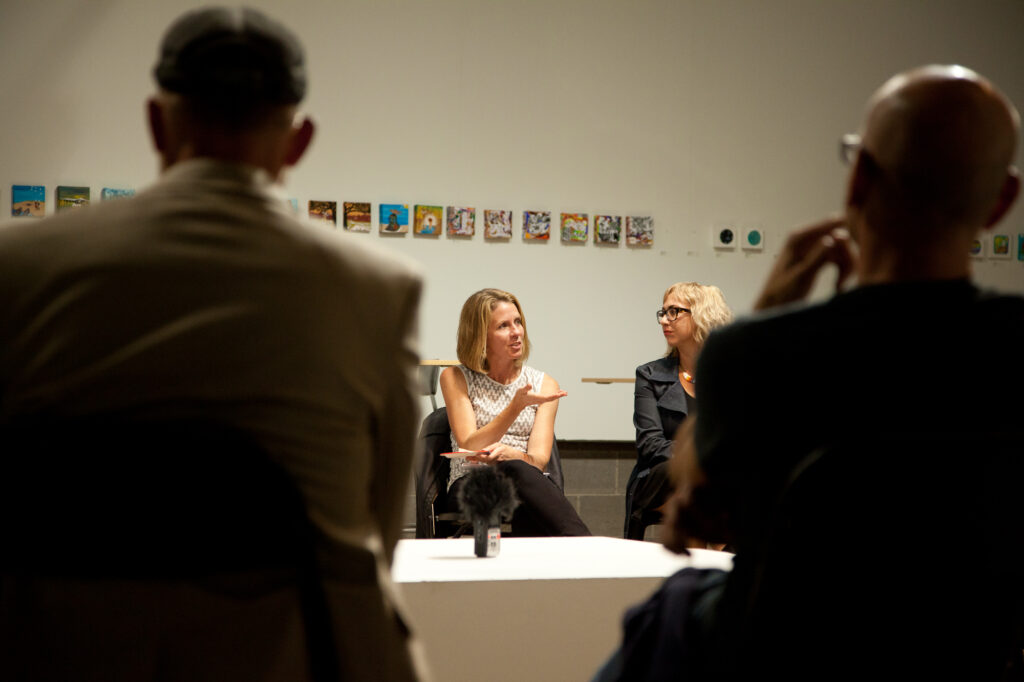
Ilan: Speaking of Tilt West, the organization is in its 10th season with the theme of “Change”. When you look back ten years ago, when you and Sarah and Whitney founded Tilt West, what kind of change were you hoping to spark in Denver’s creative arts community?
Sarah: At that time, both Whitney and Sarah had recently relocated to Denver. Whitney had been running a gallery in Los Angeles and moved to Denver to be closer to family, and she was working with David B. Smith at his gallery. Sarah Wambold had moved from Chicago, where she’d been working with the Art Institute of Chicago.
In our early conversations, we were thinking about how Denver hadn’t yet achieved the same ambition as art scenes in cities like Chicago and Los Angeles. There were, and still are, many really interesting artists working in this region, and galleries doing strong programming, but the overall level of discourse around the arts in Denver at that time felt a bit parochial or regional. Not as critical, in the best sense of that word.
We wanted to see a more sophisticated level of conversation around arts and culture. The initial impetus was asking ourselves: What could we create that would help drive the conversation in Denver to feel more national or international in scope, and help turn up the volume on the great work that was already happening here?
![Sarah McKenzie (3rd from the left) with fellow curators and artists at Redline [2025]](http://tiltwest.org/wp-content/uploads/2026/01/with_fellow_curators_and-artists_at_Redline_2025-1024x695.jpg)
Sarah: Our first idea was actually to create a publication. At the time, DARIA [Denver Art Review, Inquiry, and Analysis] didn’t yet exist. There were art reviews in Westword and the Denver Post, but those were written for a general audience. We didn’t feel there was much arts writing in Denver that was specifically targeted to the arts community or to people with a more nuanced understanding of contemporary art.
We imagined creating something that might fill that gap, but none of us felt equipped to immediately start a publication. That wasn’t part of our professional backgrounds. I had a former colleague who had started an organization in New York called Critical Practices, Inc., which hosted roundtable conversations, very much in the style of how we now run events at Tilt West.
We thought that could be a good starting point. Maybe we’d pursue a publication later, but for now we could host events, get our name out there, and have rich conversations about the arts and see what developed. Critical Practices, Inc. agreed to let us adapt their model, and fall of 2016 became our first roundtable season.
As for becoming a nonprofit, we always assumed there wouldn’t be a way to charge admission or operate as a for-profit organization, but we knew we’d need funding. Becoming a nonprofit just felt like a no-brainer from the start.
Ilan:
I had no idea the Tilt West roundtables were modeled after another organization.
Sarah: Yes, our “rules of the game” document is adapted from Critical Practices, Inc. They were the ones who chose that language for the guidelines. I think they even used the French term les règles du jeu, being in New York, they were very highbrow.
![Sarah McKenzie moderating artist panel at East Window Gallery with incarcerated artists [2025]](http://tiltwest.org/wp-content/uploads/2026/01/moderating_artist_panel_at_East_Window_Gallery_2025-1024x796.jpg)
Sarah: Yes. It was pretty wild. I think we were all confident that Hillary Clinton was about to become the first woman president, so it didn’t feel risky to schedule an event for that evening. Then we were all in shock, but we decided to go ahead with it because it felt like a night when people really wanted to come together and process what might be happening in our country.
We had the scheduled conversation, but there was also acknowledgment of the historical moment we were in.
Ilan: That must have been an intense night.
Sarah: Cortney Lane Stell was the first prompter for that roundtable. And even though it was nearly ten years ago, I remember her doing a wonderful job of holding space for people to process what they were feeling, while still helping keep the conversation on track.
Ilan: In those early days, did you have a sense of what Tilt West might become, or has its evolution surprised you?
Sarah: In some ways, it became exactly what we envisioned. We knew early on that we wanted to pursue a publication, and we did eventually produce a journal for three about years before shifting directions.
But we never got overly hung up on long-range planning. We had loosely defined goals, but everyone was volunteering their time, and none of us really knew exactly what we were doing. We figured things out as we went along. There was a strong commitment from the board from the beginning, paired with a sense of realism, none of us were being paid, and we didn’t know yet if the Denver art world or funders would support what we were doing.
That flexibility was a good thing. We never held ourselves to rigid five- or ten-year plans. We were fairly easy on ourselves about meeting goals.
Ilan: After ten years, why does now feel like the right time for you to step away?
Sarah: I’m the only one of the three original founders still involved. Whitney Carter and Sarah Wambold stepped away a few years ago to pursue career changes. Kate Nicholson and I are the only original board members remaining.
There were years when I was doing a lot of the organization’s day-to-day work, and I think there’s a recognition that if an organization is going to last, it has to be bigger than one person. Sometimes founders play an outsized role early on, and that can eventually prevent an organization from growing or changing in the ways it needs to.
At this point, there’s an incredible board in place. It feels like the right moment to step back, trust others to carry the torch, and help ensure Tilt West’s long-term sustainability.
I’ve also become deeply involved in other work, including teaching art inside prisons. That’s where I feel most needed right now, and I know Tilt West no longer needs me in the same way.
![Sarah McKenzie teaching at Sterling Correctional Facility [2025]](http://tiltwest.org/wp-content/uploads/2026/01/teaching_at_SterlingCF_2025-1024x683.jpg)
Sarah: In my studio practice, I tend to work in five to seven year cycles. Eventually, I reach a point where I’ve solved the problems the work raised for me. I could keep going, but I’m no longer learning anything new. That’s usually the moment when it’s important to shift gears and try something uncomfortable.
I see a parallel with professional responsibilities like serving on a board. Tilt West has the potential to become something new in its next decade, and that’s more likely if those of us who were leading in the first ten years make space for new people. Tilt West belongs to the arts community; it's bigger than any one person. That’s what gives it the best chance to last.
Ilan: So you see it as something fluid, with a life of its own.
Sarah: Yes. I hadn’t thought about it that way until recently. There were times when I probably resisted changes that felt too far from the original mission. But now I think that’s okay. If the board moves in a new direction, that’s exciting! That’s the evolution of the work.
Ilan: You’ve mentioned your current work with artists in the prison system. Can you talk about how you became involved and why it resonates with you?
Sarah: I originally became involved because I wanted to make paintings about the architecture of prisons. It started as an intellectual curiosity. When I started researching prisons, many people I interviewed emphasized that if I wanted to make work about carceral spaces, I needed to understand the people impacted by them.
During COVID, I reached out to the University of Denver Prison Arts Initiative (DUPAI) to volunteer. I didn’t expect to teach, but that opportunity came quickly. I wound up teaching drawing in the Colorado Department of Corrections (CDOC) through DUPAI for two years. DUPAI stopped working inside the CDOC in 2023. I was desperate to get back inside to continue teaching, so in 2024 I co-founded the nonprofit Impact Arts with Lilly Stannard.
After decades in the art world, it can be easy to feel cynical about how art functions as a luxury commodity. Teaching inside prisons reminds me of the deeper value of creative practice, how it can restore agency, build community, and give people a reason to get up every morning. That work has re-centered me in why I make art at all.
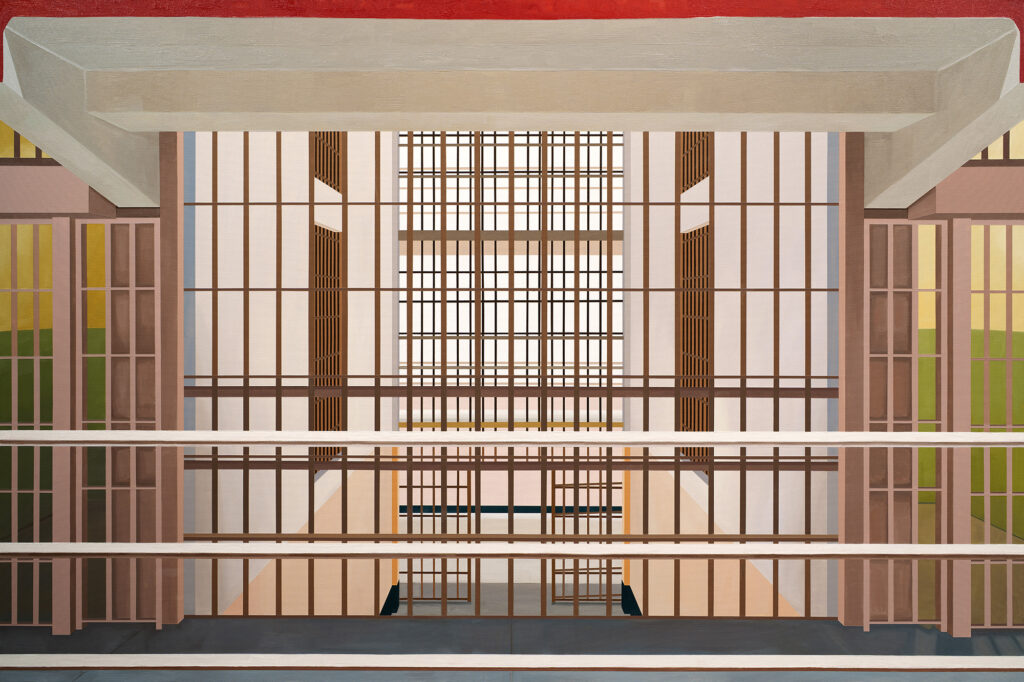
Ilan: I think that really speaks to the power of art, how it can have such a profound effect on people who are incarcerated.
Sarah: Yes, definitely.
Ilan: And like you said, it gives them a reason to get up, to feel motivated, and to accomplish something they have control over in a world where they don’t have much control.
Sarah: Yeah, right. It also really builds community. I teach at Sterling Correctional Facility, and there are men who are sort of “art friends” who probably wouldn’t talk to each other if not for the fact that they’re both artists. Our prisons are very racially segregated, so it’s meaningful to see how art can transcend that and become a kind of glue that allows people to connect across differences.
Ilan: Is it complicated for you to move between those spaces, working with incarcerated artists and then returning to the commercial art world, like attending an opening at David B. Smith or another gallery? What does that feel like?
Sarah: I wouldn’t say it’s really hard. Through my curatorial work over the past few years, I’ve been trying to bridge those two worlds, creating opportunities for artists in the prison system to have their work seen in contemporary art spaces, and maybe to challenge the contemporary art world a bit.
I’m not the only person doing this. Curators around the country have led the way, and if anything, I’m late to the conversation. I don’t give myself much credit for the idea itself. But I do think there’s a growing recognition that the contemporary art world should be open to the stories and perspectives that artists in the system can share. It’s not enough to say, “That’s outsider art, that’s something over there.” I’m trying, at least in our region, to suggest that this work is actually related to the same questions many of us are already thinking about.
I will say that I’ve become impatient with exhibitions that are only about good-looking objects. I don’t want to dismiss beauty or suggest the work lacks depth, but because of this prison work, I’ve come to value art that asks me to think about something beyond, “Wow, that’s beautiful.” When I go to galleries or museums now, I find myself placing more value on work that challenges us to think about society in deeper ways.
Ilan: I think that comes through in your own work. Your paintings are beautiful, but they don’t glamorize the prisons you depict. They feel very frank and stark, and they’ve made me think about things like the lack of windows and what it might feel like to exist in those spaces.
Sarah: Thank you! That’s my hope.
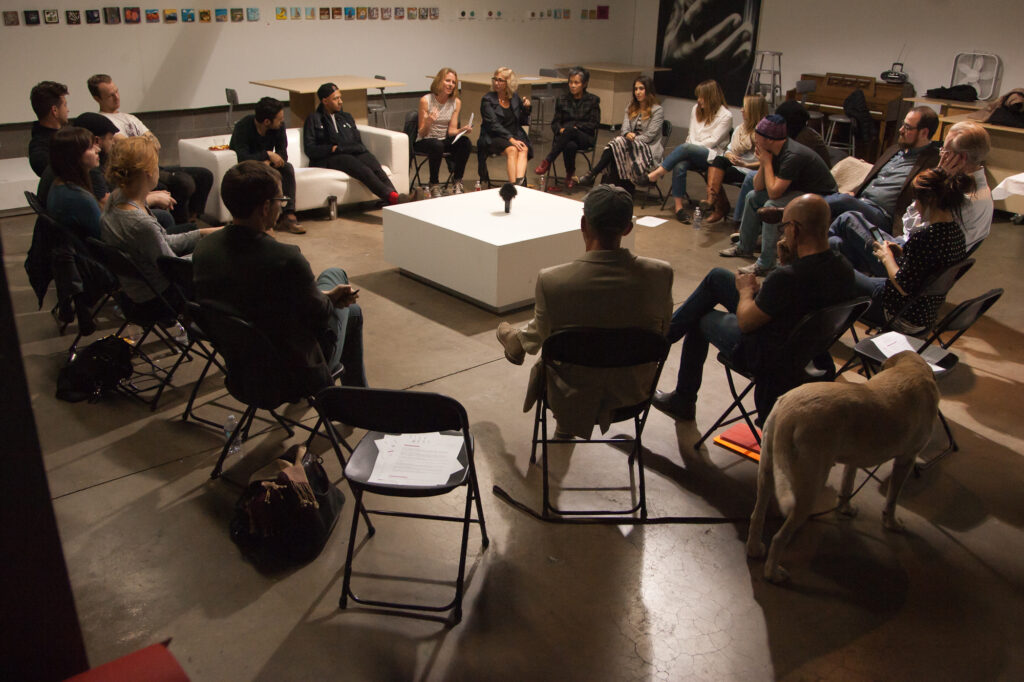
Ilan: What parallels do you see between the conversations Tilt West has fostered and the conversations you’re facilitating through prison arts programming?
Sarah: Going back to the fact that our first roundtable happened the day after the 2016 election, I think there’s a lot we didn’t anticipate when we were imagining Tilt West in 2015 and early 2016. We expected a certain level of intellectual conversation around arts and culture, but we didn’t anticipate how central politics, activism, race, cultural identity, access, and representation would become to our programming. We’ve gone through so much political and social upheaval over the past ten years, and all of that has filtered into Tilt West’s roundtables. We’ve tried to reflect what our community has grappling with. Whether it was roundtables on AI or NFTs, we paid attention to what was rising to the surface in the broader arts discourse and made sure our conversations addressed those topics.
Tilt West has become much more socially and politically engaged than we initially imagined, and I think I have as well. That engagement led directly to my interest in prisons and to reorganizing my creative career around working with incarcerated artists. It’s all interconnected; Tilt West’s evolution paralleled my own, and that changed me as an artist.
Ilan: I’d love to talk a bit about your own art practice. How would you describe the themes and core questions you’re pursuing right now?
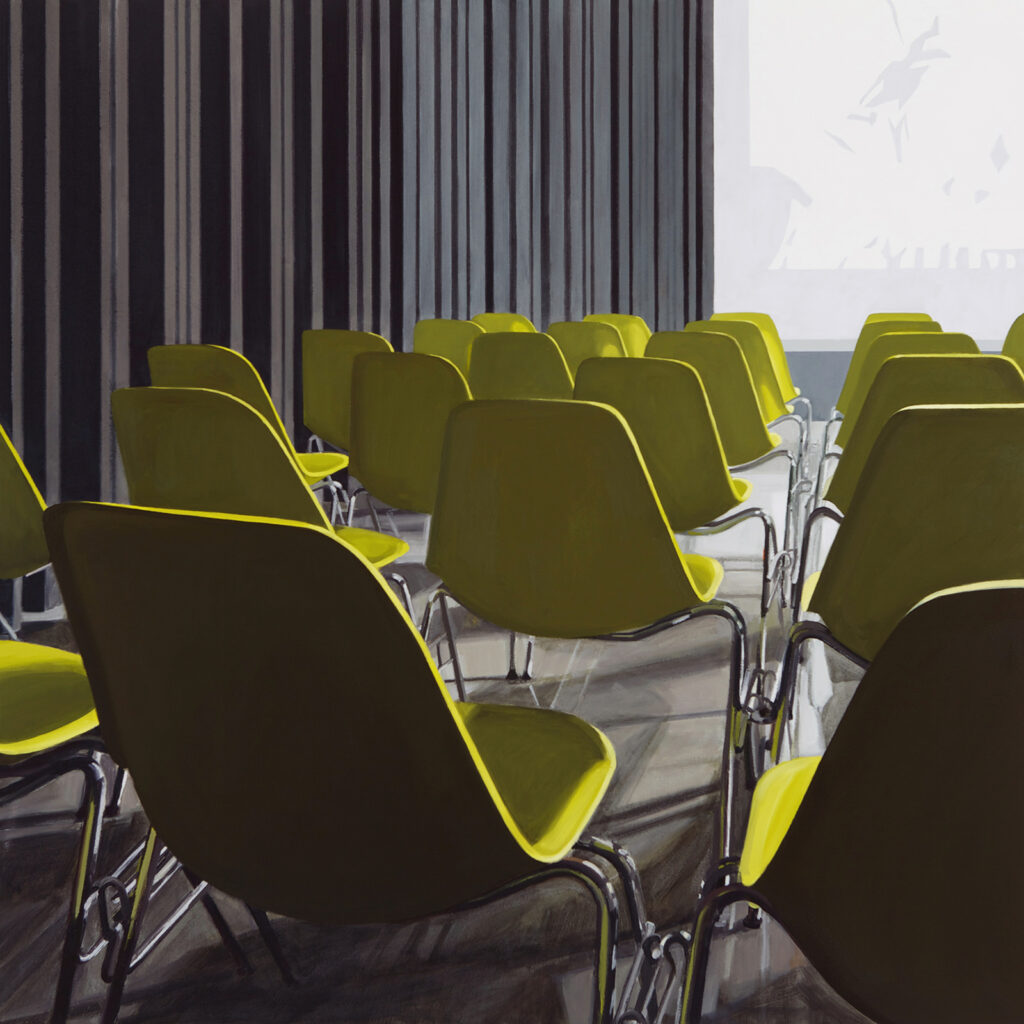
Sarah: That’s an interesting question because I’m very much in a transitional year. As I mentioned before, most of my projects have a five- to seven-year arc. Before the prison work, I was making paintings about exhibition spaces and museums, thinking about institutional architecture and how it communicates social codes and cultural values.
That led me to prisons, which are also institutional spaces designed to communicate authority and state power. This past spring, I had a solo exhibition at David B. Smith Gallery that showed several of my prison paintings alongside new museum paintings, exploring the parallels between those spaces. Museums and prisons may seem very different, but they’re more similar and connected than we might imagine.
Now I’m thinking about what comes next. Over the summer, I participated in a group exhibition in Bucharest, Romania, my first time in an Eastern European city that was part of the former Soviet bloc. Seeing architecture from the Ceaușescu regime made me think about how buildings communicate state power or the authority of individuals in power. Pair that with what’s happening now, like Trump tearing down part of the White House to build a ballroom, and I’m still very interested in institutional space and power, but possibly beyond prisons and museums.
I have a residency in January where I’m planning to experiment, maybe even return to drawing. Ask me again in a year, and I’ll have a better elevator pitch for the new work.
Ilan: Looking back at Tilt West and the community you helped build, what feels most meaningful to you?
Sarah: One thing is the simple power of bringing people together in a room. Over the past decade, more and more of our interactions have moved online: Zoom meetings, social media, text. We spend less time talking face-to-face, even in our personal lives.
There’s something powerful about bringing thirty people, often strangers, into a room for ninety minutes, without screens, to focus on a shared conversation. That’s really our secret sauce. We didn’t invent it, Critical Practices, Inc. did, but it’s rare in Denver, and that’s why people keep coming back.
I was reminded of this when my new nonprofit, Impact Arts, hosted a roundtable for people volunteering inside prisons. None of the participants, except me, had ever attended a Tilt West roundtable. By the end, everyone said, “We need to do this more.” It reinforced how essential these conversations are, regardless of topic.
Ilan: Even when the topic isn’t something I know much about, I still find the roundtables valuable.
Sarah: Exactly. For people in academia, that experience of sitting in a room and discussing a shared topic is familiar. But once you leave school, it disappears from daily life. The roundtables bring that back. You don’t need to be enrolled in a class to experience the value of collective thinking.
Ilan: Do you hope the same thing happens with Tilt West’s publications?
Sarah: In some ways, yes, but it’s different. We originally wanted to elevate discourse through publishing. Now that publications like DARIA exist and do that work beautifully, we’ve had to rethink our role.
Our print journals were modeled after the roundtable structure: a shared theme with many contributors responding through different formats, poetry, essays, visual art, even music. The issue was that the labor involved in producing each volume far outweighed the readership we reached.
Now the website functions as our publishing platform, and the relationship between curated content and our roundtable events is still being figured out. That’s something I leave to the current board. We’re in a transition period, still shaping what this next phase looks like.
Ilan: What do you hope Tilt West continues to be over the next ten years?
Sarah: I hope the roundtables always remain at the heart of the organization. They’re what Tilt West is known for, and I don’t think any other group in Denver is offering something quite like them.
I also hope Tilt West continues to bridge different creative communities– visual arts, theater, dance, spoken word– that don’t always feel connected. At its best, Tilt West acts as a kind of glue, creating space for dialogue across disciplines.
Ilan: Is there anything else you’d like to add before we wrap up?
Sarah: I’m curious to see how Tilt West navigates technology in the future. We’ve historically kept events very low-tech, resisting streaming or heavy digital mediation. As younger board members step in, new perspectives will shape the next decade. I’m excited to step back and watch where it goes.
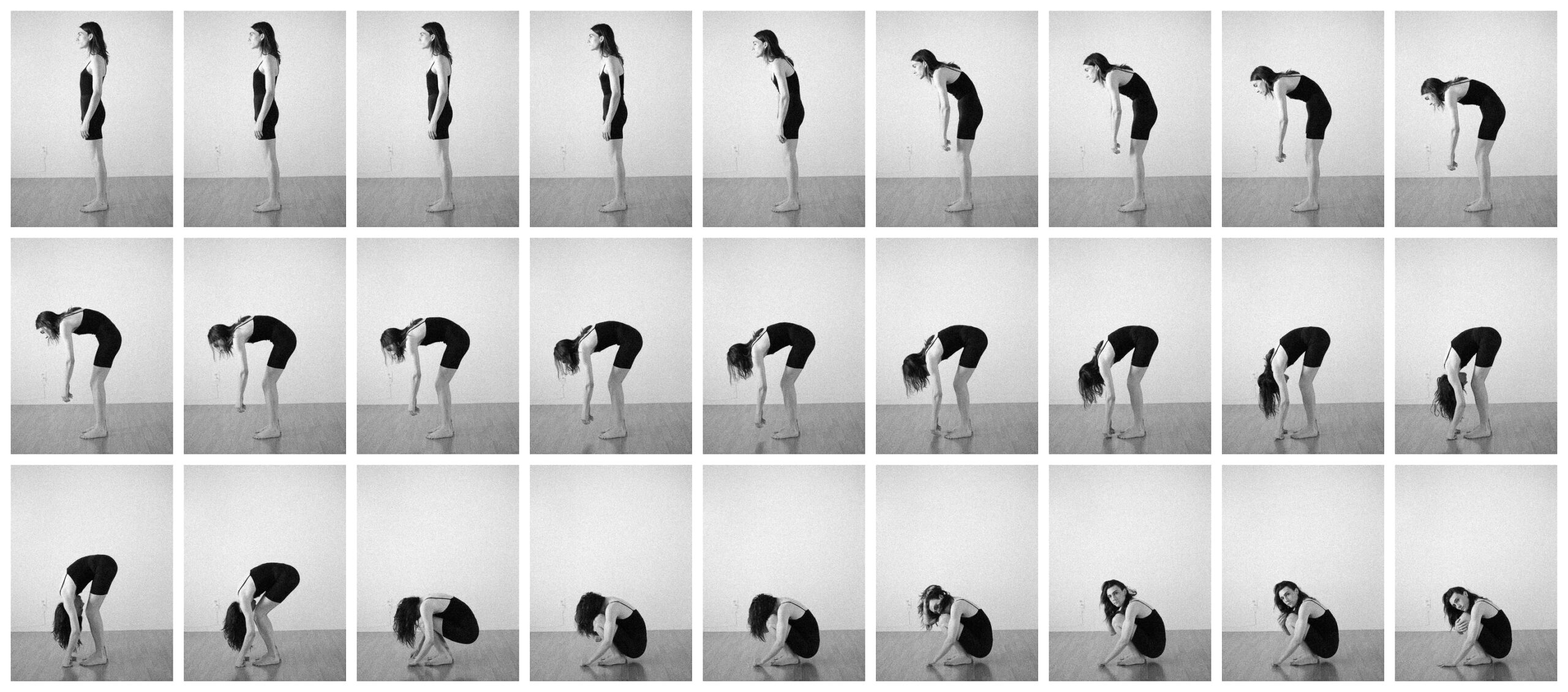
The Vitruvian Man stands with his arms outstretched, measured by geometry
and God. Leonardo's lines follow Vitruvius's law: that every body, like
every temple, must be strong, functional, beautiful.
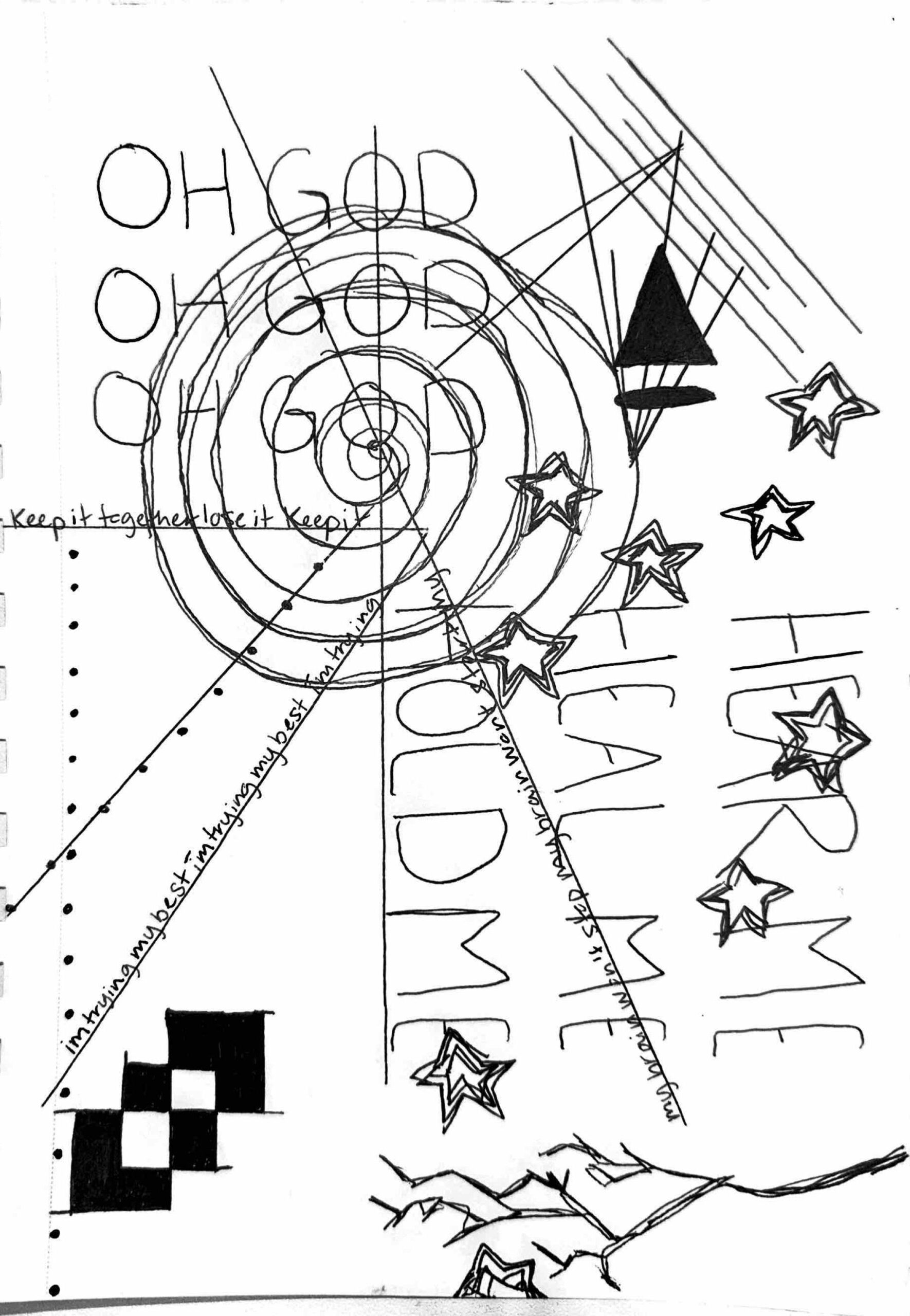
My arms flap
not in golden ratios
But in flailing attempts failing attempts
As I try to dance
Or exist
As a perfect man woman artist
A studio drawing, uncovered in a notebook. Musings of the human body that
have spread across centuries and continents. A representation of the
Renaissance: art, science, and divinity questioned at once.
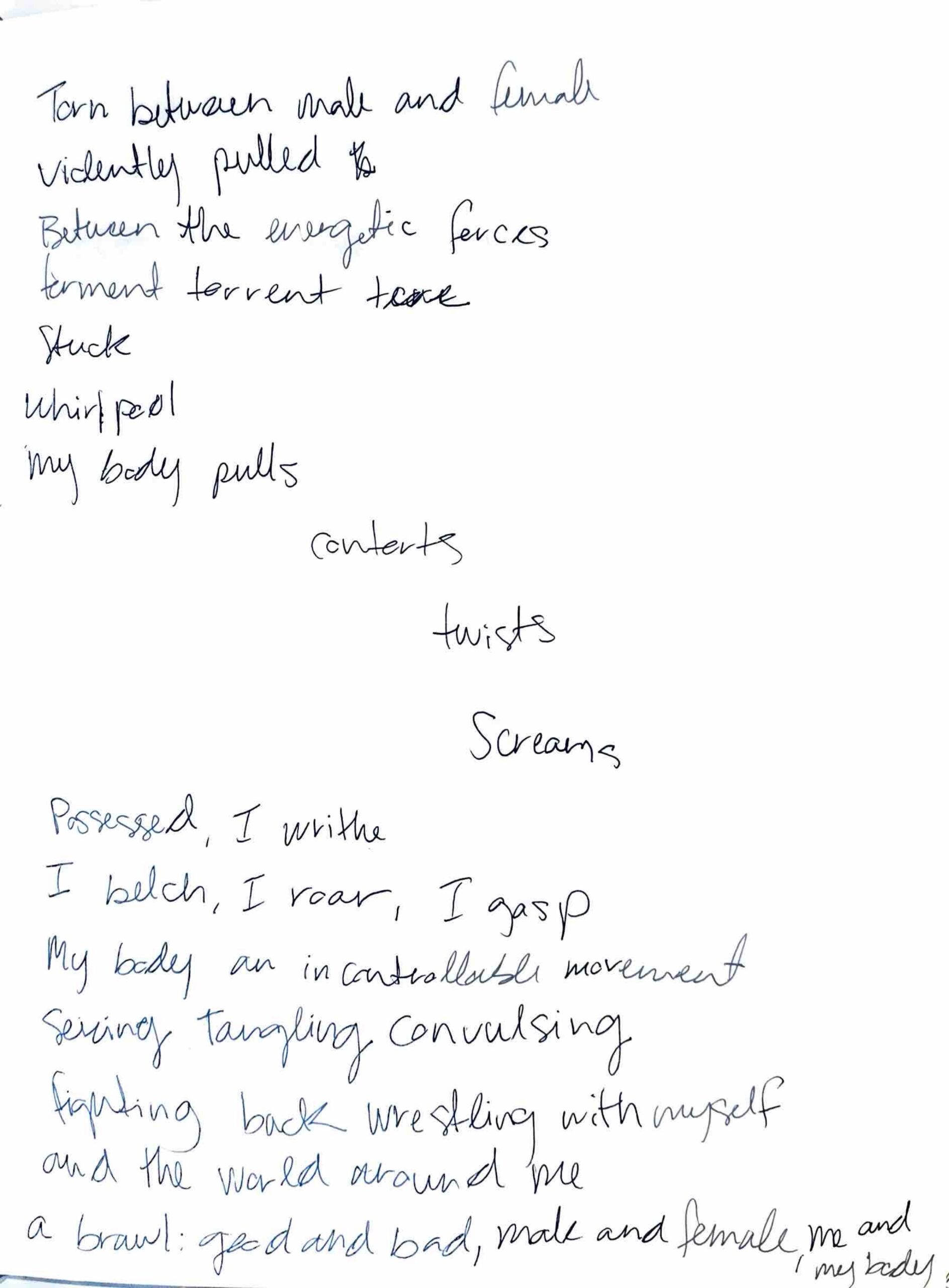
I attempt to postulate
Art as god To relate
Artist to nature
To say:
We are nature.
Queer body,
Trans bones,
Sacred being.
The Encyclopedia Britannica notes that da Vinci conceived the drawing of the
Vitruvian man "as a cosmografia del minor mondo (cosmography of the
microcosm). He believed the workings of the human body to be an analogy for
the workings of the universe."
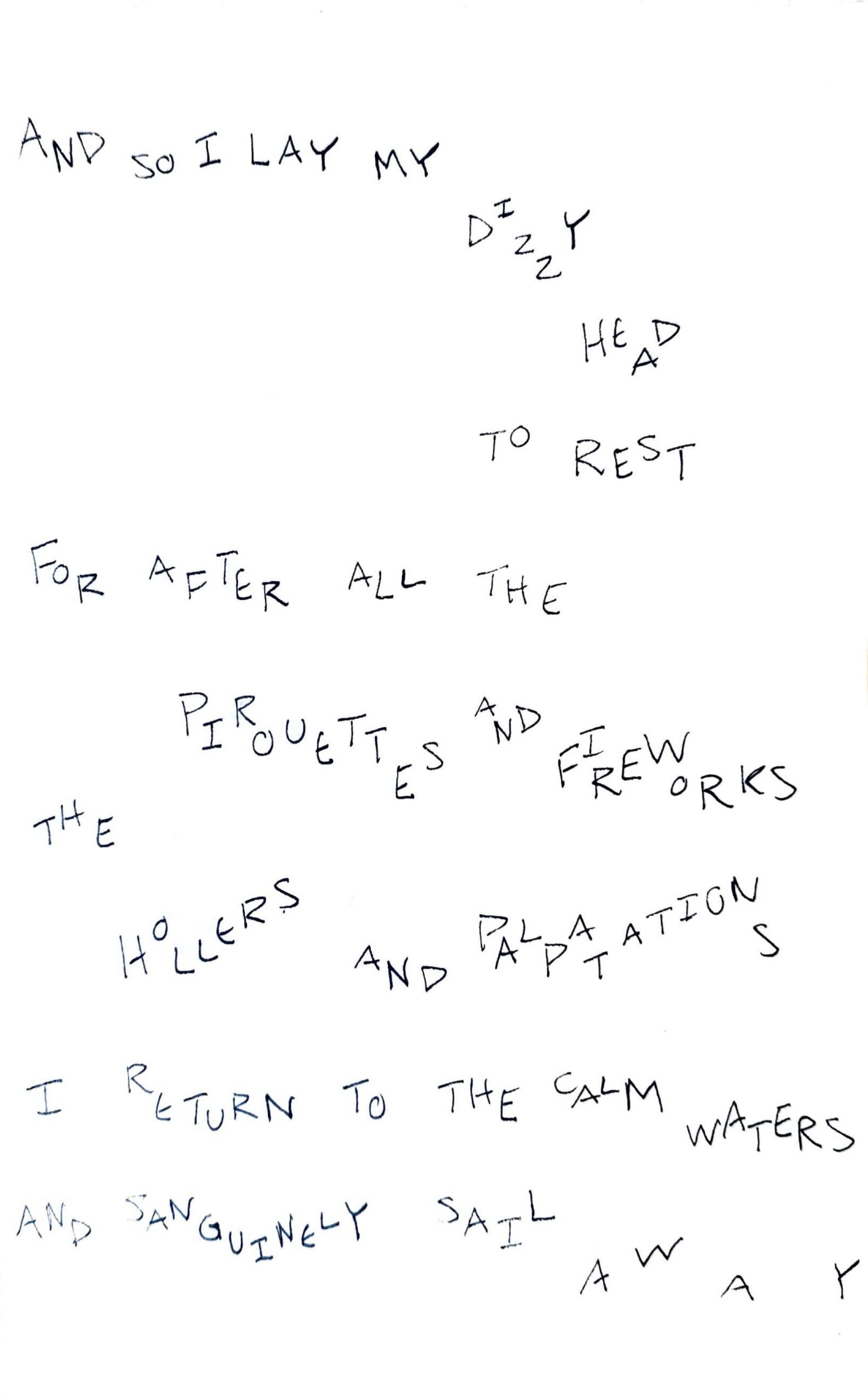
A divine construction.
I don't measure to the perfect
proportions
of the Vitruvian man
or the dexterity of da Vinci's hands.
But I do believe
that the human body
is a microcosm
for the workings of the universe.
A divine construction which allows me to breathe.
To dance.
My cells
that grow
and change
and multiply
and create
Imperfect
but alive.
![handwritten text on paper saying "it took me 23 years to remember I have a body, to learn I have a body, to declare I have a body. My hips my heels my hair, my bones exalt in the force of life, I stretch so high I eat the clouds, and for a moment, [I feel god] crossed out, I'm an angel"](http://tiltwest.org/wp-content/uploads/2025/11/IMG_8038-scaled.jpg)

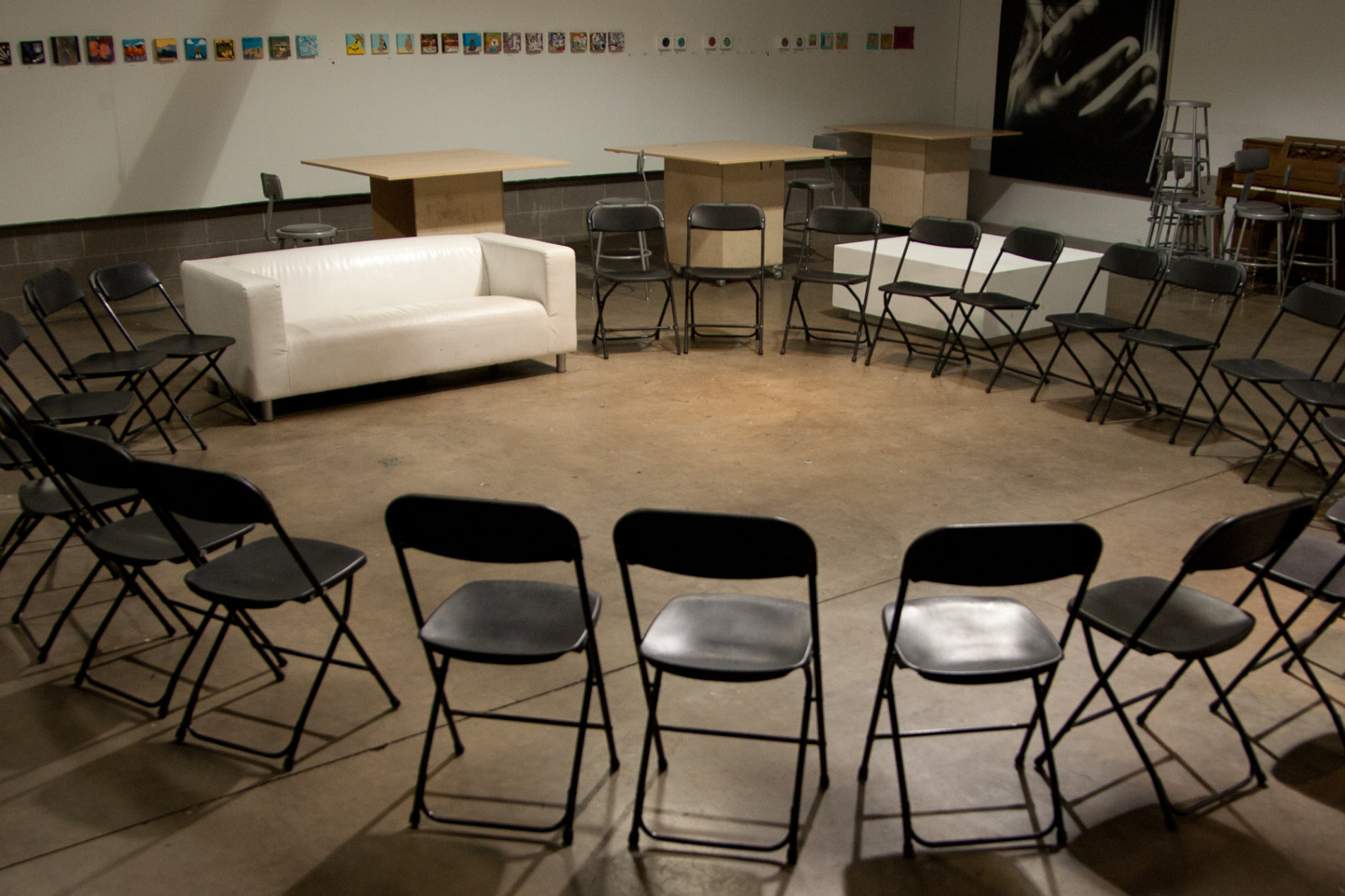
Here at Tilt West, we’re thrilled to be launching our 10th season of roundtables, all relating to this season’s curatorial theme: CHANGE. As we begin our 10th year, it’s rather amazing to look back on all the changes our nonprofit has experienced since we held our very first event on Wednesday, November 9th, 2016 — one day after a Presidential election which certainly changed the course of the country. It has always been part of our mission to respond to current events and provide a platform where members of the Colorado creative community can come together for a free and egalitarian exchange of ideas. We’d like to think we’ve held fast to that commitment, whether exploring the role of the arts in activism; discussing the lure of spectacle in contemporary society; weighing the perils and opportunities of technological advances; or delving into the necessity for play as a critical component in imaginative world-building.
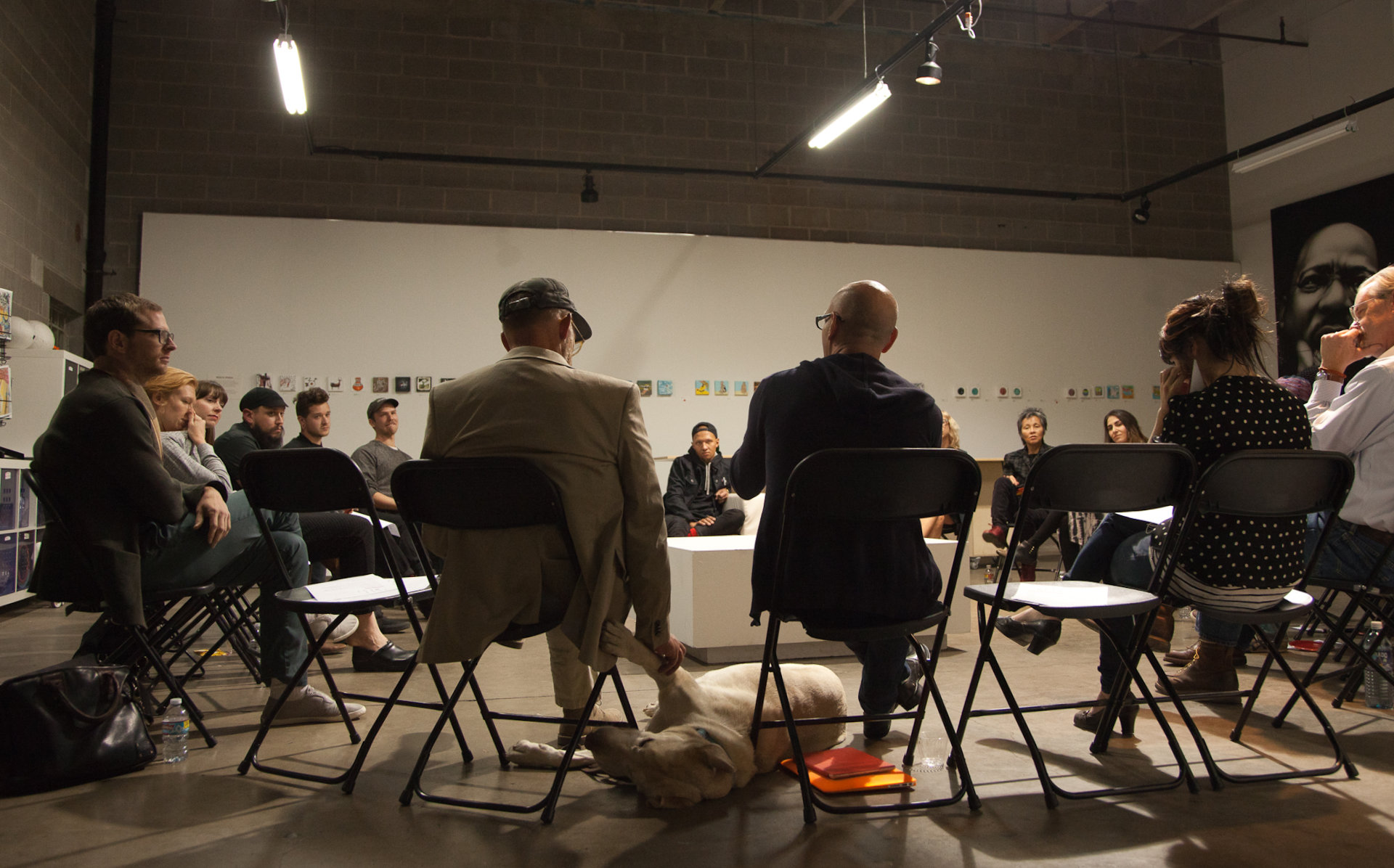
We’ve changed in so many ways: bringing our itinerant roundtable events to arts and cultures venues throughout the Denver metro area and beyond; introducing an annual print publication, then pivoting to focus on our website as our publishing hub; adapting to Covid lockdown and offering virtual roundtables over Zoom; then returning to the in-person event model which has always been central to our organization’s identity. Our volunteer board has changed over the years too and we have been fortunate to have many talented people contribute to the success of Tilt West. As we begin this season, only two of our original board members (myself and Kate Nicholson) remain, and they will both step down in December, passing the torch to the incredible team who will carry Tilt West into its next chapter.

Join us for this season of CHANGE and continue to tilt the conversation! The theme invites us to reflect on what has shifted over the past decade - in our lives, the world, and our art communities - and what we hope to see in the next ten years. We are excited to host a season of roundtables and programs exploring transformation in all its forms: adaptation, reinvention, resilience, and the creative and societal shifts that shape our cultural landscape.
Check out our lineup of roundtable topics for the 2025-26 season. We hope to see you there!
- CHANGE: Culture Under Pressure
- CHANGE: Nostalgia, Fluidity, and Stagnation
- CHANGE: Disability, Illness, Change, and Time
- CHANGE: Deconstructing American Values
- CHANGE: The Body as Battleground
The almond tree in Amaki’s compound house was dotted with tiny yellow oval-shaped fruits that willed their way to the ground at the slightest urge of a passing breeze. At dusk, the sky above would fill with hundreds of straw-colored fruit bats making their way across the city, seemingly guided by the warble of the call to prayer from a distant mosque. Growing up, this compound was the fertile ground for my imagination. It was modestly sized but pliable, folding itself into the universes of a child’s mind and the heart of a family’s world. This piece is a sonic exploration of personal history, and an homage to the matriarchal figures of my life who, through love and sacrifice, built structures of safety that made unbridled play possible for generations after them. I embrace an intuitive process of improvisation, turning an experiment with analog hardware and virtual instruments into a practice of performance as listening, straining to once again hear Amaki’s voice.

In response to our season’s theme, PLAY, and our roundtable conversation PLAY: Collaboration and Co-Creation, Tilt West invited Steven Dunn and Katie Jean Shinkle to publish an excerpt from their co-created novel, Tannery Bay.
“This collaboration between Steven Dunn and Katie Jean Shinkle was born out of a deep friendship and mutual love for each other’s previous novels. We were also exhausted by ill representations of black and/or queer people in popular media, so we wanted to write together about our own people in a way that allowed them to be their full selves while experiencing joy, grief, friendship, and community.”
July 4
Once upon a time across the bridge from the dilapidated casino, Auntie Anita is boiling water, adding flour, stirring and stirring until smooth. She’s making wheat paste. She tells Uncle Gerald to get the paint rollers and brushes from the cabinet.
“What time you meeting Cristal today?” Auntie Anita asks.
“Somewhere around one or two,” he says.
“I’ll be back around noon to take the baby out to play,” she says.
Auntie Anita pulls coffee cans of wheat paste from under the cabinet, slaps the bottoms of the cans into her palm, and places them in a dirty green canvas bag. She slings the strap over her shoulder and kisses Uncle Gerald and Cora Mae on their cheeks.
“Maybe I’ll bump into y’all’s weird-ass friend while I’m out there,” she says to Otis and Joy, who are untangling fishing nets for her.
“Anyway, shouldn’t it be your friend since you the one who been dreaming about her?” Joy says. Auntie Anita laughs and walks out, leaving the fishing nets.
Auntie Anita’s newest art form is wheat pasting, and she was in the habit of pasting at night across the bridge, but the cops started watching too closely, sending more officers than usual on foot and bikes, which means anybody can do anything at night in Tannery Bay because all the cops are busy looking for whoever is papering up the town. Now Auntie Anita papers during the morning, the ass- crack of the day she calls it, right after all the cops change shifts. She knows it’s not dangerous because no one expects an old woman to be the one papering FUCK YOU AND JULY using her own hand-drawn letters framed by roses she stenciled herself on the police station and the tannery. When she makes art in her neighborhood, she only papers or paints or sculpts scenes of togetherness: dancing, hugging, sitting on porches, playing cards, eating around large tables. Or the giant rainbow trout nobody has ever seen. Or huge portraits of folks in need of peaceful memoriam, remembrances she calls them.
Willie Earl says the portraits of folks are judging you because you fucked up, or watching over you because you fucked up. Once a week Willie Earl walks the kids and the teens through the neighborhood, and always stands scratching his gray beard and pointing upward to the mural saying, “Check this out, youngbloods. Look into this person’s eyes and feel deep within yourselves when you notice the subjectivity change, when you can’t tell if you looking at the portrait or the portrait is looking at you.” He laughs his giant laugh and walks away, but his laugh stays with the kids with its arms around their shoulders.
Willie Earl then walks up the street to the side of Harold & Hattie’s Haberdashery and stands in front of the large mural of his wife, Mildred. He looks at her smooth, brown, peaceful face and soft eyes until she looks back at him, and Willie Earl feels like a mural—large and colorful and soft and highlighted in all the best places—and it’s here in this plane, this plane of porousness between worlds where Willie Earl knows Mildred isn’t dead. He cries gloopy paint tears until his laugh leaves the kids and returns to cradle him like a baby.
Today when Willie Earl melts inside of Mildred’s mural, he feels something off. There’s a damn disturbance, he thinks as he’s floating inwards, toward the center of the mural, and he’s looking around to find this damn disturbance and sees his overalls change into a dark-blue suit with gray pinstripes and a pink paisley tie. Nice threads, he thinks, still floating until he lands on the yellow patch of paint where he usually meets Mildred for a dance. She isn’t there. But he sees a head pushing up through the yellow paint and he wants to stomp on it because it ain’t Mildred’s head, Mildred don’t have wet stringy hair. It’s the woman in waders standing in front of Willie Earl, motioning to his suit. He says, “I do look nice, thank you, young lady. Now where’s Mildred?” She gives Willie Earl a cockleshell and lowers herself back into the yellow paint. Willie Earl’s laugh reaches in and pulls Willie Earl back onto the street in front of the mural. He has on his regular old overalls again.
Other places across the bridge, Auntie Anita sculpts symmetrical symbols made up of triangles and circles connected by lines with some X’s here and there. Auntie Anita says she doesn't know what they mean, but she feels like she needs to mold them because they are in her somewhere, like her song. She leaves little statues of symbols on gravestones, in the alley behind the casino, on manhole covers in the middle of the streets, on the concrete pillars beneath the bridge, at street intersections.
Auntie Anita walks back in the house at noon like she never left, canvas bag empty. She tells Otis to bring more flour home from the dumpster in the casino alley when he goes back to work. She tells the same to Joy. She plops down in a chair and Cora Mae climbs into her lap. Uncle Gerald stands over the stove, tasting the broth from his oxtails, fixing everyone a steaming bowl before he leaves to meet Cristal. He hugs Otis and Joy like they are stuffed animals, then he kisses Cora Mae and Auntie Anita on their foreheads. After kissing Auntie Anita he wipes his lips with his forearm and says, “Sweaty-ass forehead, you musta been working hard.”
Cristal sits by the bay’s edge across from the casino and throws rocks into the most purple parts where the water looks like oil in a rainbow surface skimming the top. When she was young, she and her friends would swear there was a monster in the bay, a dinosaur history left behind. The chemicals on the water hold the rocks a second longer than normal, like gel, plunging them to the bottom slowly. There is a rumor a coworker at the casino tried to have sex with the water once because he said it felt so good, held him so tightly, but the coworker adamantly denies the rumor, and Cristal feels he would tell her the truth of whether he tried to get down with the gel-water chemical bay or not. She laughs as she throws the next rock, watches it sink slow. Vaginas don’t feel like gel-water chemical bay shit, she thinks, and it’s clear he ain’t never even been inside one. She wipes her hands on her jeans; her red nails are chipped, due for a new manicure. She knows she’s going to rip the rest of the color off with her teeth anyway so there is no use in keeping up with it. The air only feels cool to her down by the water. The water alleviates the heat, even though to even be near it feels dangerous. The same coworker who ain’t never been in a vagina swears the scars on his arms comes from being in the water, the chemicals eating his flesh. Cristal thinks, so I don’t know. Bad fucking water.
She wraps her body around itself, pressing the bones of her chest into her knees, letting her light red, curly head rest, closing her eyes for a minute. She can hear the barge downriver, the chug chug chug of the motor. She unclenches her jaw, relaxes her eyebrows, it feels good, she thinks, to let the body go. She thinks about Lexus, her round belly, and her thin shoulders, and her long neon green hair that she never does anything with. She thinks about her crooked smile, her chipped front tooth, such a curved dent looking almost natural in her mouth. Her heart-shaped lips, a movie star. Her blue Dickies work pants, her blue Dickies work shirt with the name Gary in a red oval on the left side. Cristal wants to kiss Lexus every single time she sees her. Lexus has no idea how Cristal feels, and she will soon, she thinks as she kicks the sand in a childish fit. Lexus is so cool, and just like generally never causes a ruckus except in love. She is always in love with somebody new! I love Lexus, though, like I really love her, and I want her to be with me, only me. She pulls out the small notepad she scribbles all her thoughts in and writes on her To Do list between Buy Milk for Auntie and Return Book to Joy as number eight: Get a Grip on Yourself, Girl.
The bay starts bubbling at Cristal’s feet. When she looks at the horizon, there is the woman in waders walking on water. Cristal closes her eyes. She tries to breathe deeply, but her breaths keep catching in her throat. She opens her eyes and the woman is still there, coming faster toward her. When am I going to tell Lexus I love her, she thinks. She gets up and tries to breathe deeply again like Lexus taught her, letting the air fill her down her back and up her neck and holding it for two counts before slowly letting it out until the next breath is organic and a type of buoy. I gotta get to Uncle Gerald, she thinks. She runs away right as the woman in the waders reaches the shore, sprays her legs with bay water, and disappears.
Uncle Gerald is already sitting on the concrete seats in the first row of the old amphitheater with a small pot of oxtails, two bowls, and two spoons. Cristal walks in scratching at her legs, smiling a little. She sits and Uncle Gerald says, “You smiling because you and Lexus finally going together? You asked her? How’d you do it? Like how you practiced on stage yesterday?”
“No,” she says, “We’re not going together yet, and I didn’t ask her.”
“Ah, fine fine, you’ll do it when you ready,” Uncle Gerald says, spooning some oxtails into Cristal’s bowl. “Why you smiling?”
Cristal slurps some broth straight from the bowl and nods her head to let Uncle Gerald
know the soup is good as usual. “I don’t know, things are starting to feel funny. Over at the bay in front of the casino right before I walked over here this woman was walking on the water coming at me. She sprayed my legs.” Cristal shows Uncle Gerald the red splotches on her ankles and shins. “Do you believe me? I swear it happened.”
“Well goddamn! We been seeing her too!” Uncle Gerald flails his arms but accidentally knocks the pot of oxtails over. The pot clangs on the ground and the broth splashes like liquid usually does, but it starts to wobble and collect itself into the shape of a cockleshell.
“Let’s get out of here,” Cristal says.
Uncle Gerald rubs his shoe into the cockleshell-shaped broth. It splashes out of shape again but pulls itself back into the shape of a mason jar, changing to the distinct golden color of Uncle Gerald’s hooch. His throat tightens and eyes widen.
“You said that right, Crystal!” Uncle Gerald says. He bends to pick up his pot, but shakes his head no. “You can stay here,” he says to the pot, “I ain’t bringing this bad juju back in the house.”
They leave the amphitheater. Back on the bridge, silent even though they’re never silent when walking home. Cristal says finally, “Who is the lady, anyhow?”
“Hell, I don’t know,” Uncle Gerald says, “maybe she’s Saint Whatever-the-Fuck-You-Need to whoever sees her. I need a new pot to cook my oxtails in.” He cups his hand around his mouth and yells over the bridge into the bay, “I need a new pot, saint lady!”
“I think the woman got something to do with Anita, somehow, some kinda way.”
Cristal leans over the rail to spit into the purple bay, and notices four of Auntie Anita’s small statues of people standing in a row at the base of one of the concrete pillars. The statues are in various poses—hands on hips, hand covering eyes shielding from the sun, arms spread for a hug to no one, fishing but leaned back like a big fish is on the nonexistent line. Cristal hears a deep bloop in the bay a little ways out and lifts her head to see, but nothing. When she looks back at the statues, they are huddled in a circle with their arms on one other’s shoulders, and the tops of their heads touching. She blinks hard and shakes her head, and the statues are back to standing in a row in their original poses.
“Uncle Gerald, wait!” Cristal jogs to catch up: “Speaking of Auntie, did you hear about the casino owner is taking credit for Auntie’s art again? Now he’s built a room sticking halfway into the alley. He’s charging those rich folks up in the Hills an arm and a leg to see it, some kind of ‘VIP exclusive’ ticket scheme. I know you said you needed to figure out a way for Auntie to get some of the money.”
“I saw that mess in the newspaper. You know they been doing it for forever, taking everything everybody else do, like they did with my juke joint.”
“What are you gonna do?” Cristal says, stopping to pull Uncle Gerald’s arm.
“What do you mean me, goddammit. This is a we situation.”
“Well, what are we gonna do?”
“This what Imma do, Imma go to that casino, bust up in that muthafucka, steal all the coin from all them slots, then flip over all them blackjack tables, then go the office, steal the safe, strap that muthafucka to my back and crawl my big ass out—”
“But, Uncle Gerald—”
“Hold on, I’m on a roll . . . then Imma drag that safe across this goddamn bridge to the house and dump all the money in Anita’s lap, cuz you know she gives and gives to everybody so we gonna give her something back.”
“I don’t know about all of this.”
“And then, Cristal, you and your lil girlfriend are gonna blow up the casino, the newspaper office, and the goddamn tannery.”
“It’s getting kinda late tonight, Uncle Gerald, but okay, I’ll blow up whatever tomorrow.”
“No matter what, we should be the ones taking people to Anita’s art, right? I mean, who else knows it better than we do? I don’t know, let’s talk to Joy and hatch a plan. We just gotta keep this from Anita cuz we gonna surprise her with a lot of money.”
He rubs his hands together and puts his arm around Cristal’s shoulders, and she puts her arm around his waist. They walk a little further down the bridge into the graveyard.
Tannery Bay is available for purchase from the University of Alabama Press.